


Home Interiors in Sharjah and Abu Dhabi: A Hands-On Guide
Dubai draws the lion’s share of attention, but two of its neighbours quietly account for a large share of the region’s interior work. Sharjah, a short drive north, is one of the most affordable emirates for residential renovation and family villas. To the south, the capital Abu Dhabi anchors the other end of the scale, pairing prime waterfront homes with a methodical, standards-led approach to approvals. If you hold property in either emirate, or are mulling over a project across both, the rules, costs and standards depart from Dubai in ways worth preparing for. In clear and practical language, this guide maps out what actually changes once you cross the emirate border. Use it to nail down budget, timeline and paperwork before you brief a single designer. A little groundwork now prevents costly surprises once contractors are on site.
Sharjah: the lay of the land
Buyers after space and good value over skyline glamour gravitate to Sharjah. The stock is mostly sizeable villas, family townhouses and mid-rise apartments, so briefs typically prioritise practical, durable interiors suited to big households. On a 2026 market estimate, typical residential fit-out here generally sits within the AED 75 to 250 per square foot band, while mid-range schemes push up to AED 300 to 400 as finishes improve. Cultural context matters more in Sharjah’s design language, so dedicated majlis spaces, clear guest-and-family zoning and modest, warm palettes feature more than in Dubai’s tower apartments. Timelines resemble the wider UAE, with a typical villa taking roughly ten to fourteen weeks of design and fit-out, and longer for larger homes. Plenty of Dubai-based studios handle Sharjah projects, so your choice of designer is not limited to local firms. Joinery-led work such dubaiinteriordesigners.com/designer/fadi-sarieddine/ as custom kitchens and fitted wardrobes is common here, and in-house manufacturers like ORA Group and Al Banan Group fit the value-focused brief.
Abu Dhabi: the lay of the land
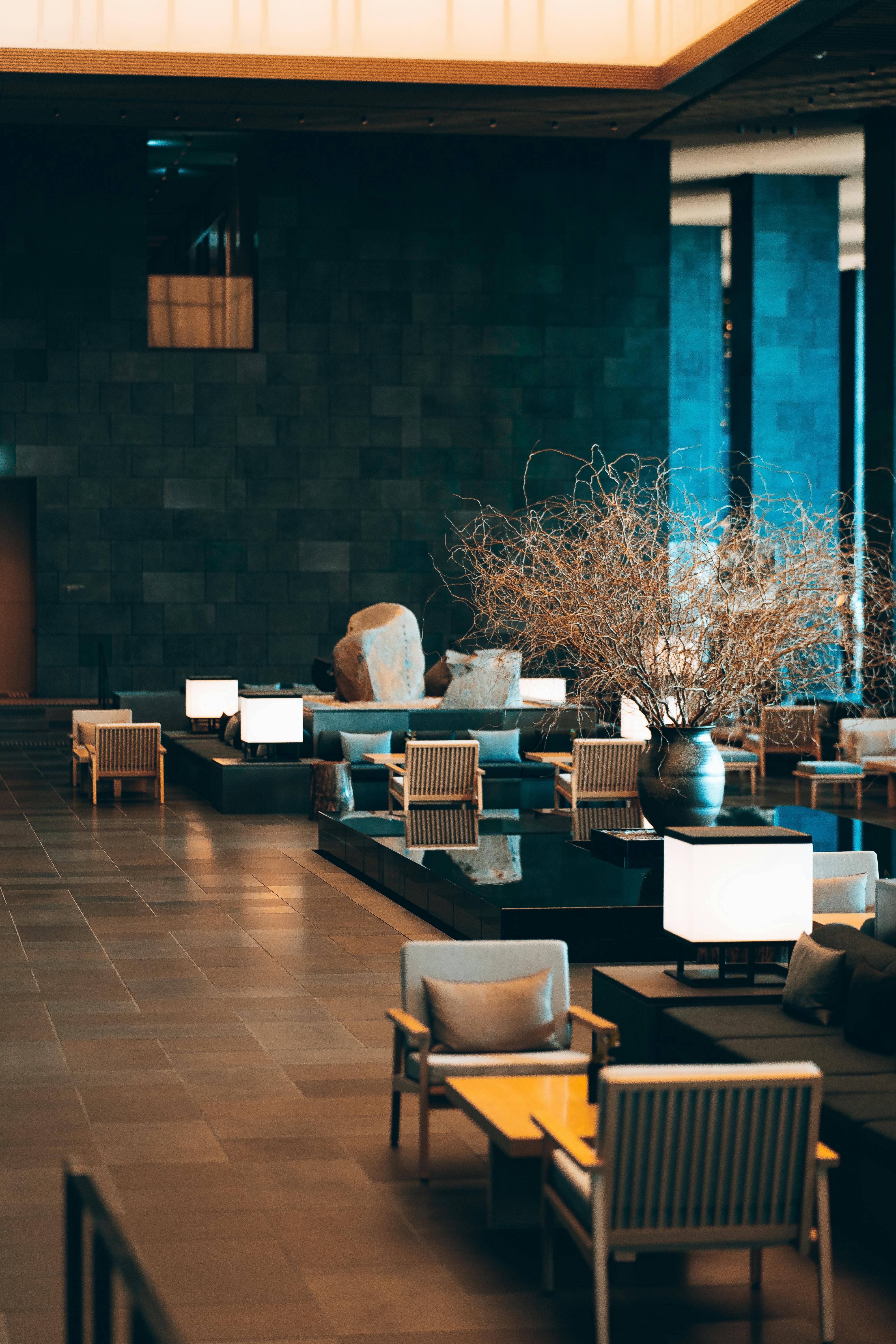
Abu Dhabi runs closer to Dubai on budget but is more rules-bound on process. From Saadiyat and Yas Island villas to Corniche apartments and gated compounds, the capital’s residential stock covers a lot of ground, and top-end expectations are high. Luxury villa interiors here can hit AED 600 to 1,200 per square foot and beyond as a 2026 estimate, with ultra-prime waterfront homes pushing higher still. In line with the capital’s more reserved character, design taste favours quiet luxury and generously proportioned rooms. Approvals are handled through Abu Dhabi’s own authorities rather than Dubai’s, so the paperwork, inspectors and community rules differ even when the design does not. Building this regulatory difference into your timeline early is the single most useful thing you can do for an Abu Dhabi project. Larger contractors like Depa work at this scale too, handling complex fit-outs across the capital’s prime developments.
Permits and sign-offs across the emirates
Every emirate requires approval before fit-out work starts, but the authority and the details change once you leave Dubai. In Dubai itself, most areas are handled by Dubai Municipality, with the Dubai Development Authority or Trakhees covering certain communities and free zones, plus Dubai Civil Defence for fire and life-safety. Both Sharjah and Abu Dhabi run their own municipal and civil-defence equivalents, so while an NOC from the building owner is still the first step, the permit system behind it stands apart. This matters most if you are running projects in two emirates at once, because you cannot reuse one emirate’s approval in another. On a 2026 planning estimate, straightforward approvals tend to take roughly three to ten working days per authority once the documents are complete. Ahead of committing to a start date, always verify the current requirements with the relevant local authority.
Budgeting for a cross-emirate project
Where you build, what you specify and the logistics all drive costs, and crossing an emirate line can shift all three. Sharjah generally posts the lowest residential rates of the three, which is why many families choose to renovate there rather than in Dubai. Abu Dhabi lands closer to Dubai’s mid-to-high range, especially for villas on the islands. Across the UAE, design-only fees usually run about 10 to 20 percent of the project budget, or roughly AED 175 to 550 per square foot as a standalone service, and those bands apply across all three emirates. Transport and mobilisation add a real line item when your contractor is based in one emirate and building in another, so factor in travel, material delivery and any duplicate approvals. Using a contractor already registered in your emirate can lower this friction and accelerate the approvals that follow. The table below compares typical residential ranges as 2026 market estimates.
| Emirate | Fit-out per sq ft (2026 est.) | Common residential project | Primary approving authority |
|---|---|---|---|
| Sharjah | AED 75 to 400 | Villas and family townhouses | Sharjah municipality and civil defence |
| Abu Dhabi | AED 250 to 1,200+ | Island homes, Corniche apartments | Abu Dhabi authorities and civil-defence bodies |
| Dubai (for comparison) | AED 200 to 1,200+ | High-rise apartments and villas | Dubai Municipality, DDA or Trakhees |
Picking the right designer across the emirates
One reassuring fact about working in Sharjah or Abu Dhabi is that you are not confined to firms based in those emirates. Many established Dubai studios take on projects across the UAE, mobilising design teams and trusted contractors wherever the site sits. As you shortlist, come right out and ask whether a studio has recent experience with your emirate’s authorities, since familiarity with the local approvals speeds up the timeline. It pays to confirm who runs the on-site fit-out too, as a designer may subcontract execution to a local team. Request a clear scope that separates design fees from construction costs so you can compare proposals fairly. Lastly, check the studio can visit the site often, since travel between emirates shapes supervision and response times.
A practical to-do list before you start
Before you sign anything, a short sequence of checks will save time and money in either emirate. The steps below apply whether you are renovating a Sharjah villa or fitting out an Abu Dhabi apartment. Work through them in order, since each one informs the next. Treat the budget band and authority confirmation as non-negotiable first moves. This list keeps things practical rather than theoretical. Adapt the detail to your specific building and community.
- Confirm which authority governs your building and what it currently requires.
- Secure a written NOC from the owner or management before design work firms up.
- Fix a realistic budget band in AED per square foot for your emirate and finish level.
- Shortlist designers who are happy working in your emirate and community.
- Agree a phased timeline that includes permits, execution and snagging.
- Set aside contingency for cross-emirate logistics where contractor and site differ.
Making the choice
Your priorities determine the choice between Sharjah and Abu Dhabi, or whether you run a project in each. With its emphasis on value, space and family-focused layouts, Sharjah is ideal for larger homes on tighter budgets. Abu Dhabi is a fit for those seeking a prime, quietly luxurious result who are willing to work within a more formal approvals system. In both, the fundamentals hold, so confirm the authority, secure the NOC, set a clear budget band and phase the timeline properly. Because Dubai studios routinely work across all three emirates, talent is seldom the constraint; planning usually is. Nail the paperwork and budget framing early, and either emirate can deliver an excellent result in 2026. Think of the border between emirates as a planning detail to manage rather than a barrier to a great interior.